Reducing Energy Usage in the Home
What we know so far
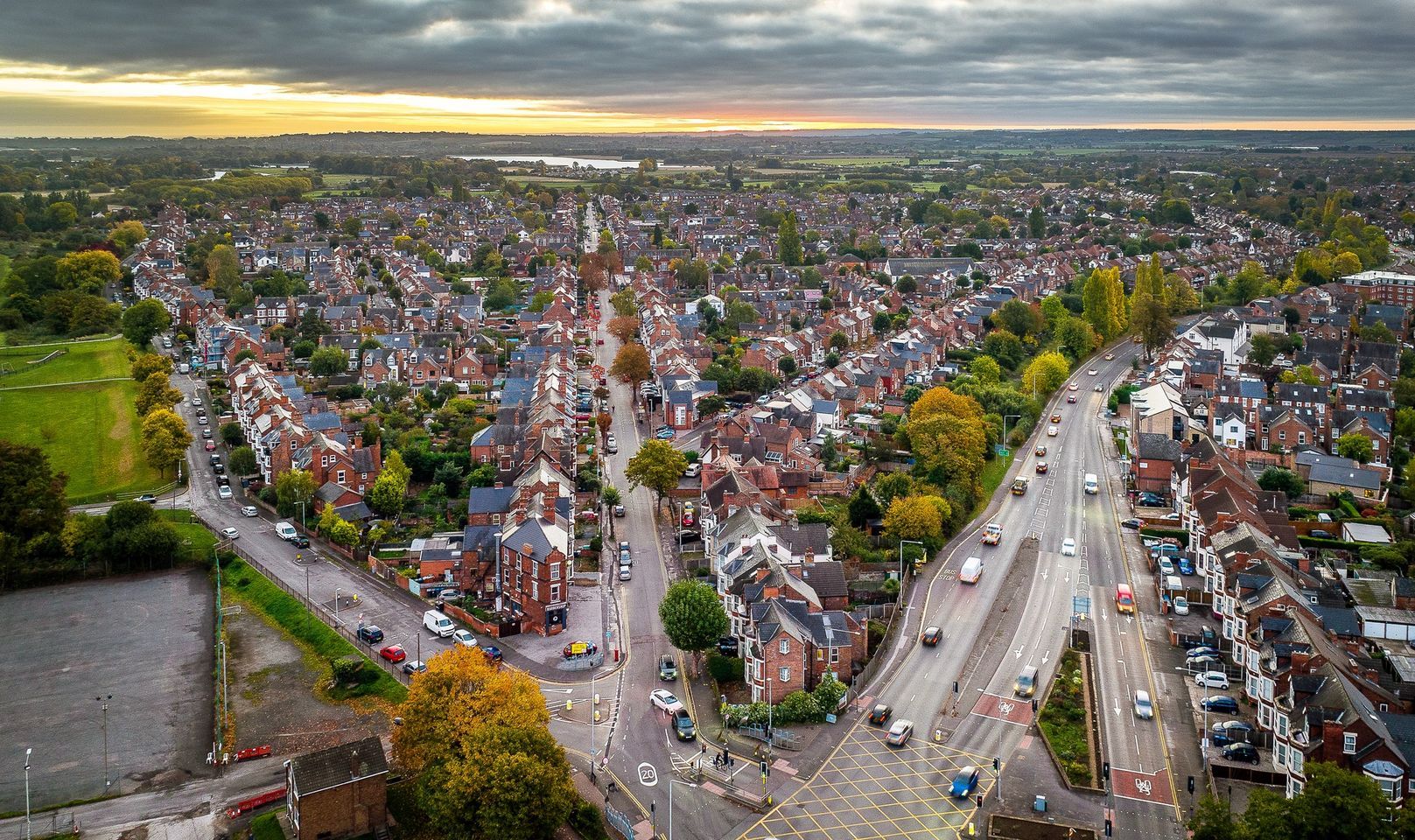
There are plenty of reasons for reducing energy usage in our homes. The trouble is that our basic housing fabric isn't best suited to thermal efficiency. Many of our houses are either Victorian/Edwardian or else constructed in the 20s-50s. This means solid walls and ventilated floors and, for the Victorian and Edwardian houses, cellars and sliding sash windows. See below for more about the Lady Bay Housing stock.
Fortunately we have at least local sources of expertise & advice on the subject; in particular the Nottingham Energy Partnership (NEP), based in the Meadows.
We also have a number of home owners that have already tried to improve their energy efficiency. The Local Experience & Knowledge page aims to share what information we have amassed and suggests ways forward. We hope this page will grow as more people share their experiences with us - here's our contact form. Or, for more information, follow the links below.
Lady Bay Housing Stock
Our suggestions on improvements focus on the first two groups but often raise specific issues relevant to all types of house.
Victorian and Edwardian brick houses
These make up a large proportion of Lady Bay's housing stock and share common characteristics: solid brick walls, suspended timber ground floors (often with cellars), sash or early casement windows, and relatively small room sizes. They also tend to have valued architectural features such as bay windows and decoratively tiled flooring. A large proportion of such houses in Lady Bay are in terraces or semi-detached.
Inter-War Semis and Detached Houses
The other dominant class of housing in Lady Bay. Homes built between the wars started to have cavity walls but most in Lady Bay seem to have solid walls. They too have suspended timber ground floors (but far fewer have cellars). Such houses also tend to have larger rooms, more roof space and may have aesthetic features such as stained glass windows and half-timbered facades.
60's & Later Housing
Lady Bay has a fair number of more modern houses but these present far less of a challenge in terms of thermal efficiency. Normally already double-glazed and also with cavity walls to permit relatively simple insulation. Some have solid floors, which can be difficult to insulate. Quite a number are in small blocks of flats and maisonettes, which might present problems where improvements need to be done on a whole building basis. However, because these properties generally aren't as difficult to insulate, our focus is currently on the older housing stock.
Mobile Homes
Lady Bay also has one Mobile Home park and another nearby. These will present their own challenges in terms of improving heating efficiency but, so far, we haven't collected any information specific to this type of property. This may of course change since so much of our content relies on input from residents, so do let us know.